Few elements of Warcraft’s universe are as haunting—or as captivating—as the Old Gods. Ancient, incomprehensible beings that whisper through dreams and shape reality itself, they embody cosmic horror at its purest. Yet rather than simply copying Lovecraftian fear, Blizzard gave these horrors depth and identity, weaving them seamlessly into the fabric of Azeroth’s creation myth.
This article explores why cosmic horror resonates so deeply within Warcraft’s lore and how the Old Gods continue to influence the world’s tone, storylines, and imagination decades later.
The Birth of the Old Gods
Before the Titans arrived, Azeroth was ruled by chaos. The Old Gods—C’Thun, Yogg-Saron, N’Zoth, and Y’Shaarj—were the architects of that nightmare. Unlike demons or undead, their power was not direct conquest but corruption. They infected minds, reshaped landscapes, and turned mortal will into puppetry.
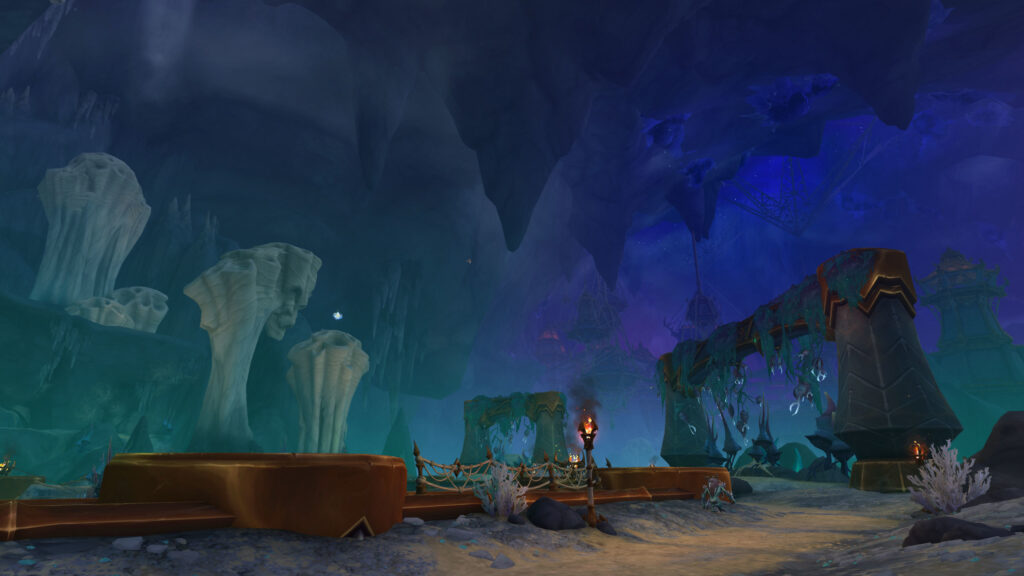
Their defeat by the Titans wasn’t true victory; it was containment. Imprisoned within the world, their whispers persisted—mutating dreams and destinies alike.
The Nature of Cosmic Horror in Warcraft
Traditional horror relies on monsters we can see and fight. Cosmic horror thrives on what we can’t comprehend. Blizzard captured this through the Old Gods’ subtle presence—players never face their full power, only echoes, shadows, and manifestations of their will. The true terror lies in the knowledge that they are never gone.
From the whispering artifacts in Ulduar to the eyes in the skies of Ny’alotha, these beings blur the boundary between reality and madness, forcing players to question what’s truly real in Azeroth’s lore.
Symbolism and Thematic Depth
The Old Gods represent more than monsters—they symbolize doubt, temptation, and humanity’s struggle against the unknown. Their corruption mirrors internal battles: power versus restraint, truth versus delusion. Yogg-Saron’s infamous phrase, “In the end, all things return to the void,” encapsulates existential despair wrapped in poetic inevitability.
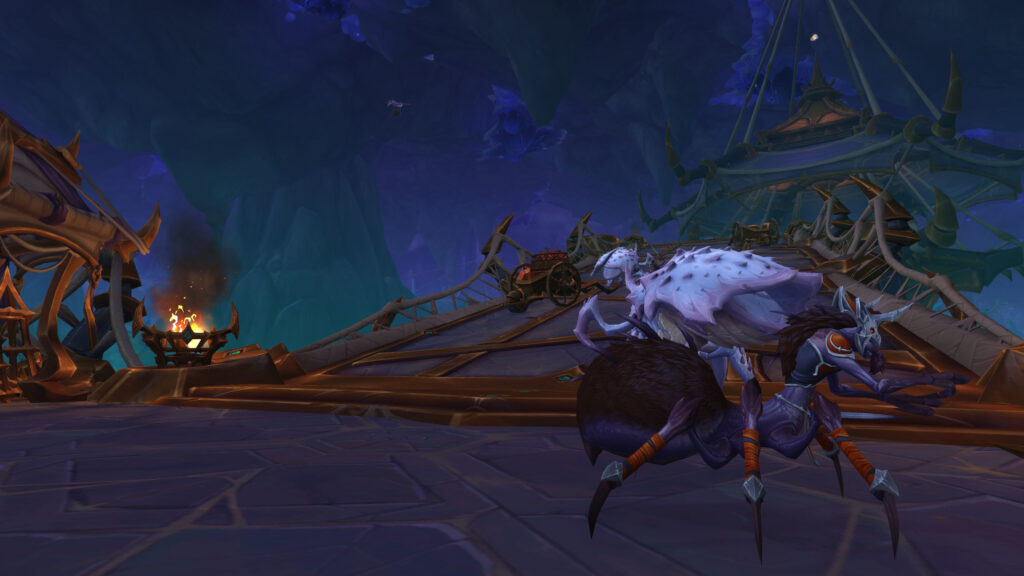
By grounding cosmic horror in emotional metaphor, Blizzard gives the unknowable meaning, making the horror deeply personal instead of distant abstraction.
The Influence Across Expansions
The Old Gods’ touch extends through every era. C’Thun set the tone in Classic, Yogg-Saron deepened it in Wrath, and N’Zoth completed the trilogy in Battle for Azeroth. Each appearance escalated the tension between sanity and corruption, reshaping Azeroth’s identity as a living, fragile entity constantly under siege from within.
Even when absent, their influence persists—through cursed relics, echoing whispers, and the corruption of once-noble figures who glimpsed their power and never returned unchanged.
Designing Fear: The Art Direction of Madness
Blizzard’s visual team captures insanity through design. Twisting tentacles, pulsating textures, and asymmetrical architecture invoke unease on a subconscious level. Color palettes—deep purples, bruised reds, and oily blacks—reinforce corruption and decay. Every visual cue mirrors narrative decay, turning spaces like Yogg-Saron’s Prison into living nightmares.
Sound design amplifies dread further. The low drones, reversed whispers, and echoing heartbeats make Old God encounters immersive experiences of psychological terror rather than mere boss fights.
| Old God | First Appearance | Defining Trait |
|---|---|---|
| C’Thun | Temple of Ahn’Qiraj (Classic) | Paranoia and control |
| Yogg-Saron | Ulduar (Wrath) | Madness and memory |
| N’Zoth | Battle for Azeroth | Dream manipulation |
| Y’Shaarj | Warcraft Chronicles | Origin of Sha corruption |
The Old Gods’ Legacy in Modern Lore
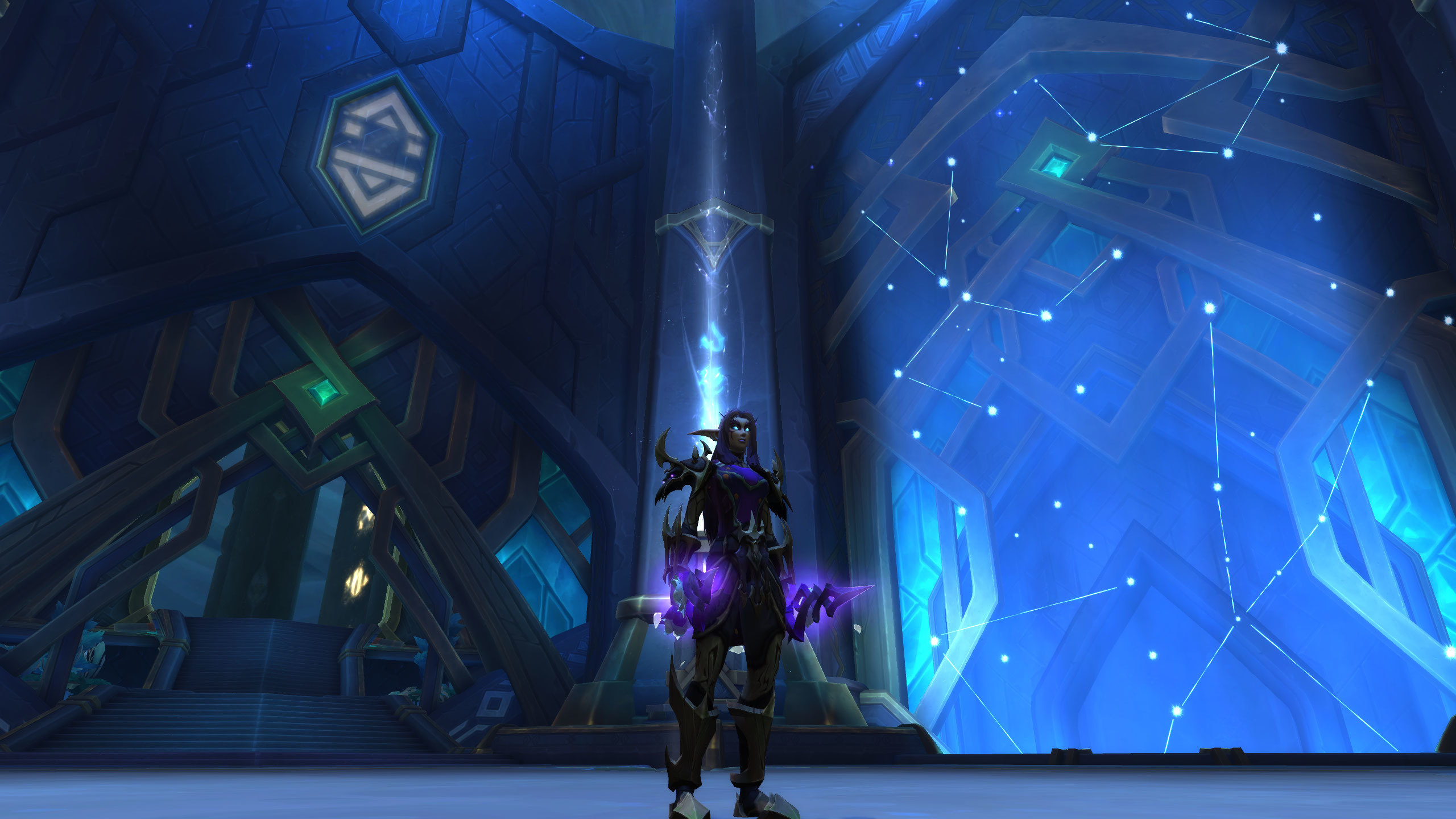
Though many Old Gods are gone, their ideology endures. The Void Lords who birthed them remain, and whispers of new entities beyond reality suggest their influence isn’t over. Even the Void Elves and Shadow Priests channel remnants of their essence, proving that darkness in Warcraft is cyclical, not linear.
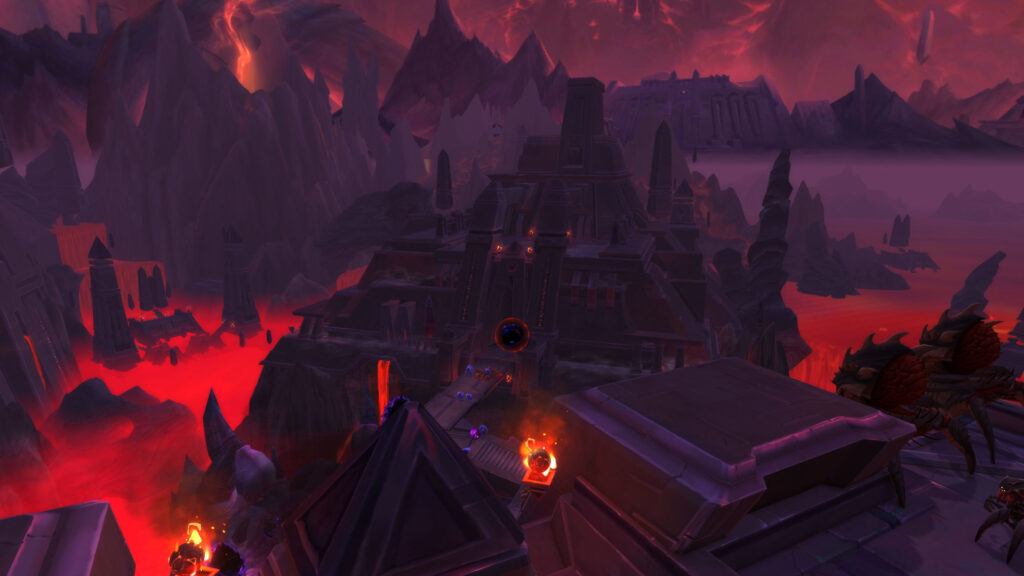
Cosmic horror continues to thrive because it mirrors the unknown in ourselves—the curiosity that compels us to look deeper, even when we know we shouldn’t.
Why Cosmic Horror Works So Well in Warcraft
Warcraft’s tone has always balanced grandeur with humanity. By introducing cosmic horror, Blizzard injected vulnerability into godhood. Even heroes who defeat dragons and demons can’t escape whispers in their dreams. It’s this intersection of awe and dread that keeps the Old Gods compelling—they make the infinite feel intimate.
Players aren’t just fighting evil; they’re confronting the boundaries of sanity itself. That’s what makes cosmic horror in Warcraft so powerful—it personalizes fear through wonder.
Conclusion
The Old Gods endure not because they’re villains, but because they represent the unknown—the fear that knowledge has a price. Their whispers still echo across expansions, haunting the edges of Azeroth’s mythos. Each encounter, each vision, each hint of the void reminds players that even in a world of heroes, some truths are better left buried.
Cosmic horror works in Warcraft because it never ends—it lingers, unseen, just beneath the surface. Like the shadows they embody, the Old Gods never die—they wait.