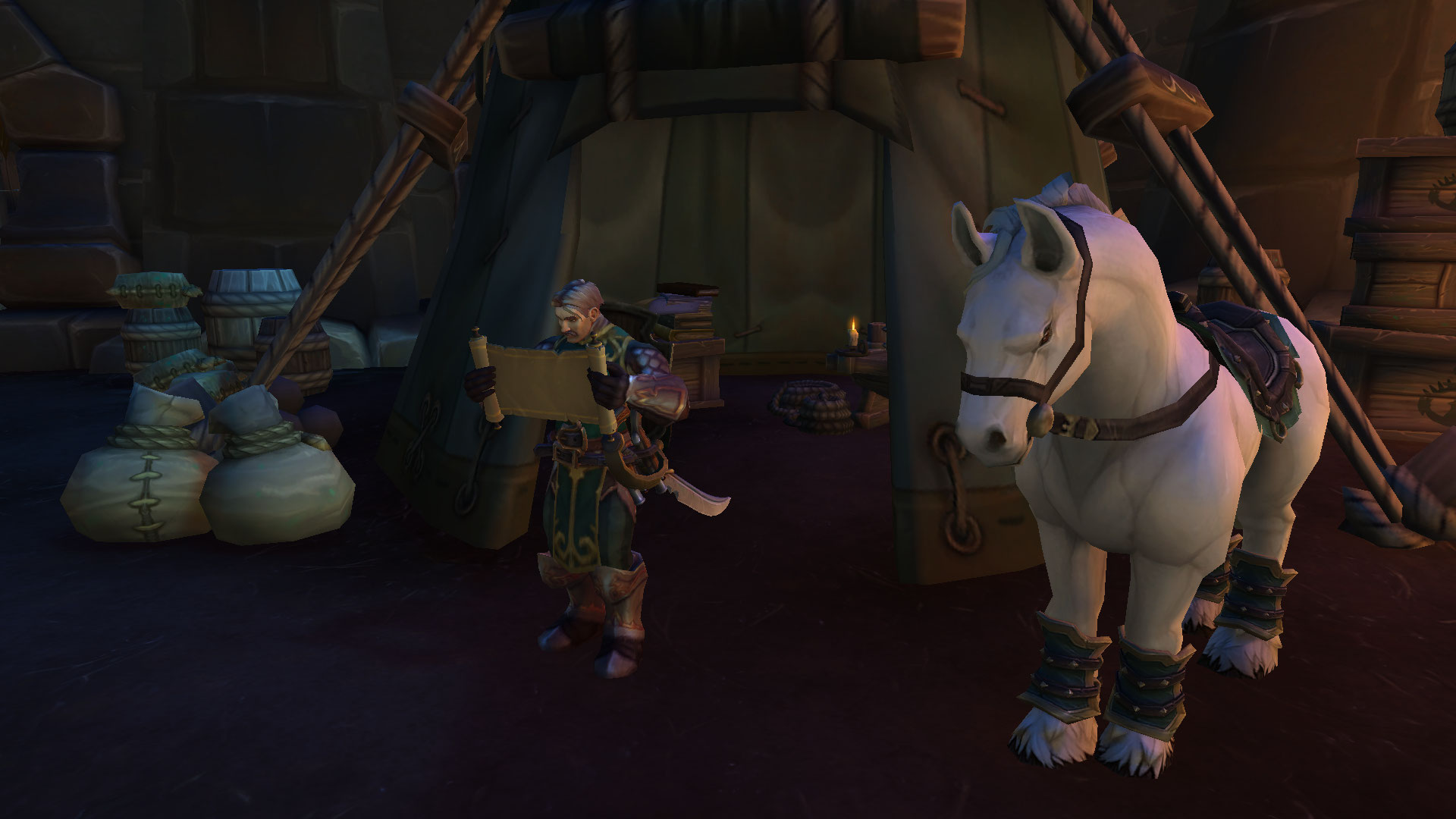
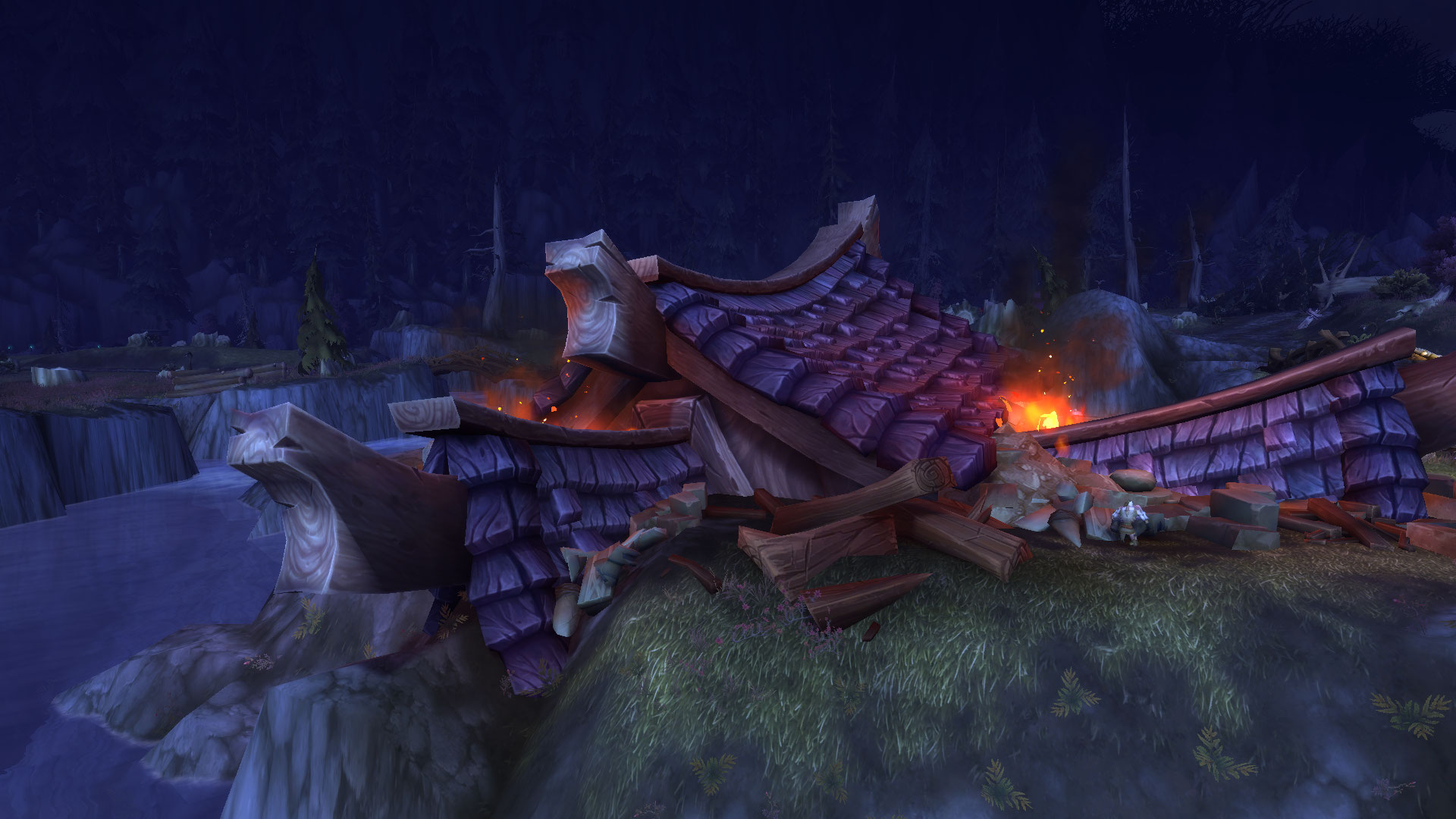
The Burning of Teldrassil stands as one of the most pivotal moments in World of Warcraft’s lore, marking a significant escalation in the ongoing conflict between the Alliance and the Horde. This catastrophic event not only resulted in the destruction of the Night Elf homeland but also ignited a fierce faction war that would shape the narrative of the Battle for Azeroth expansion. Understanding the intricacies of this event is crucial for players who wish to grasp the motivations behind the characters involved and the broader implications for the game world.
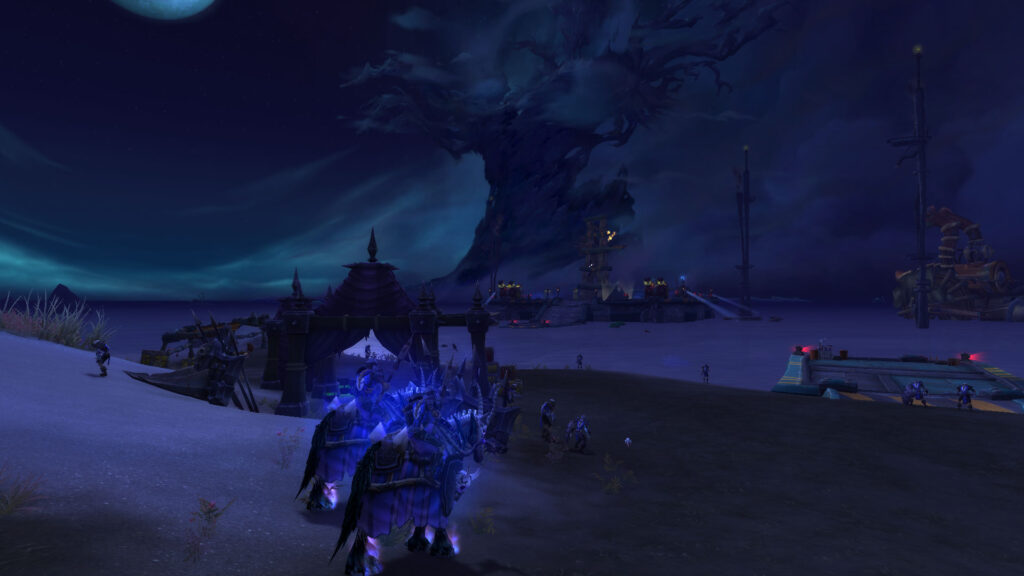
What were the key events leading to the Burning of Teldrassil?
The key events leading to the Burning of Teldrassil include escalating tensions between the Alliance and Horde, the Night Elves’ resistance to Horde expansion, and Sylvanas Windrunner’s strategic decisions that culminated in the attack.
The conflict began with the Alliance’s efforts to secure resources and territory, which were met with resistance from the Night Elves. The Horde, under Sylvanas Windrunner’s leadership, sought to expand its influence and control over Azeroth’s resources, leading to skirmishes and diplomatic failures. The Night Elves, who had long protected their sacred lands, viewed the Horde’s advances as a direct threat to their existence. This tension escalated when the Alliance and Horde clashed over the control of the World Tree, Teldrassil, which was not only a symbol of Night Elf heritage but also a vital resource for the Alliance. The culmination of these events set the stage for the tragic burning of Teldrassil.
- Understand the historical context of the Night Elves and their relationship with the Alliance.
- Analyze the political motivations of Sylvanas Windrunner and her role in the conflict.
- Examine the impact of the War of the Thorns on the Night Elf population.
- Explore the aftermath of the burning and its implications for the faction war.
How did the Burning of Teldrassil affect the lore of World of Warcraft?
The Burning of Teldrassil significantly altered the lore of World of Warcraft by deepening the animosity between the Alliance and the Horde and reshaping character arcs and faction dynamics.
This event marked a turning point in the narrative, as it not only resulted in the loss of a major Night Elf city but also served as a rallying point for the Alliance. The destruction of Teldrassil led to a surge of anger and a desire for vengeance among the Night Elves, fundamentally changing their role in the ongoing conflict. Characters like Tyrande Whisperwind and Malfurion Stormrage became more prominent, driven by grief and a thirst for retribution. The lore surrounding the War of the Thorns and the burning itself introduced new quests, storylines, and character developments that enriched the game’s narrative tapestry.
Moreover, the event underscored the moral complexities of war, as players were forced to confront the consequences of their faction’s actions. The burning of Teldrassil was not just a physical loss but also a cultural and spiritual blow to the Night Elves, whose connection to nature and their ancestral lands was severed. This event’s ramifications were felt across the game, influencing player motivations and faction loyalty, and setting the stage for future conflicts and alliances.
What were the immediate consequences of the Burning of Teldrassil?
The immediate consequences of the Burning of Teldrassil included widespread devastation, the loss of countless Night Elf lives, and a significant shift in the power dynamics between the Alliance and the Horde.
The destruction of Teldrassil led to a mass exodus of Night Elves seeking refuge and vengeance, resulting in a refugee crisis that the Alliance struggled to manage. The loss of their homeland not only devastated the Night Elf population but also weakened their military presence in the region, allowing the Horde to exploit the chaos. This shift in power dynamics prompted the Alliance to launch retaliatory strikes against Horde forces, escalating the conflict into full-blown war. Additionally, the burning of Teldrassil galvanized the Night Elves, uniting them under a common cause to reclaim their land and seek justice for their fallen.
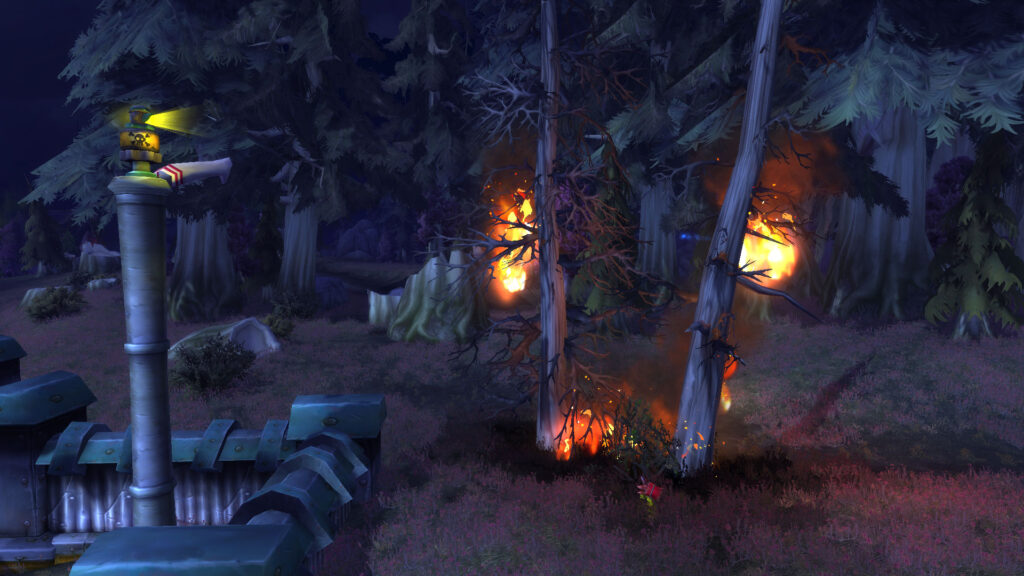
What are the key statistics and impacts of the Burning of Teldrassil?
The Burning of Teldrassil had significant impacts on gameplay and faction dynamics, with key statistics reflecting the event’s consequences.
The following table summarizes the key statistics and impacts resulting from the Burning of Teldrassil, providing a clear overview of its effects on the game world.
| Statistic | Impact | Faction Response | Player Engagement |
|---|---|---|---|
| Number of Night Elf casualties | Significant loss of life and morale | Alliance mobilization for revenge | Increased questlines and player participation |
| Destruction of Teldrassil | Loss of a major city and resource | Horde expansion in Kalimdor | New PvP zones and battlegrounds |
| Shift in faction alliances | Realignment of player loyalties | Formation of new alliances and rivalries | Heightened faction conflict and engagement |
How did the Burning of Teldrassil influence player behavior and faction loyalty?
The Burning of Teldrassil significantly influenced player behavior and faction loyalty, leading to increased engagement in faction-based content and a shift in player motivations.
Following the event, players experienced a surge in faction pride, with many choosing to align more closely with their respective factions. The emotional weight of the burning resonated deeply within the community, prompting players to engage in more PvP battles and faction-specific quests. This shift was evident in the increased participation in events like Warfronts and faction-based raids, as players sought to avenge their fallen comrades and reclaim lost territories. The narrative surrounding Teldrassil’s destruction also fostered a sense of urgency and purpose, as players felt compelled to contribute to their faction’s war efforts.
What expert strategies can players use to navigate the aftermath of the Burning of Teldrassil?
Players can navigate the aftermath of the Burning of Teldrassil by focusing on faction-specific quests, engaging in PvP content, and forming alliances with other players.
To maximize their experience in the post-Teldrassil landscape, players should prioritize completing quests that align with their faction’s goals, as these often yield valuable rewards and contribute to the overall war effort. Engaging in PvP content not only provides an avenue for revenge but also enhances player skills and teamwork. Forming alliances with other players can lead to more successful raids and battlegrounds, fostering a sense of community and shared purpose. Additionally, players should stay informed about ongoing events and updates related to the faction war, as these can provide opportunities for unique rewards and gameplay experiences.
Frequently Asked Questions
What were the motivations behind Sylvanas Windrunner’s decision to burn Teldrassil?
Sylvanas Windrunner’s decision to burn Teldrassil was driven by a desire to assert Horde dominance and eliminate a significant threat to her faction. She believed that by destroying the Night Elves’ homeland, she could weaken the Alliance’s resolve and secure resources for the Horde.
How did players react to the Burning of Teldrassil in the game?
Players reacted with a mix of shock and anger, with many expressing their outrage over the loss of Teldrassil. This emotional response led to increased participation in faction-based content and a surge in PvP engagements as players sought to avenge the Night Elves.
What long-term effects did the Burning of Teldrassil have on the game’s narrative?
The long-term effects of the Burning of Teldrassil included a deepening of the faction conflict and a shift in character arcs, particularly for Night Elf leaders. The event set the stage for future confrontations and alliances, shaping the overarching narrative of the Battle for Azeroth expansion.
Are there any in-game rewards associated with the aftermath of Teldrassil’s burning?
Yes, players can earn various in-game rewards by participating in faction-specific quests and events that emerged in the aftermath of Teldrassil’s burning. These rewards often include unique gear, mounts, and achievements that reflect the ongoing conflict.