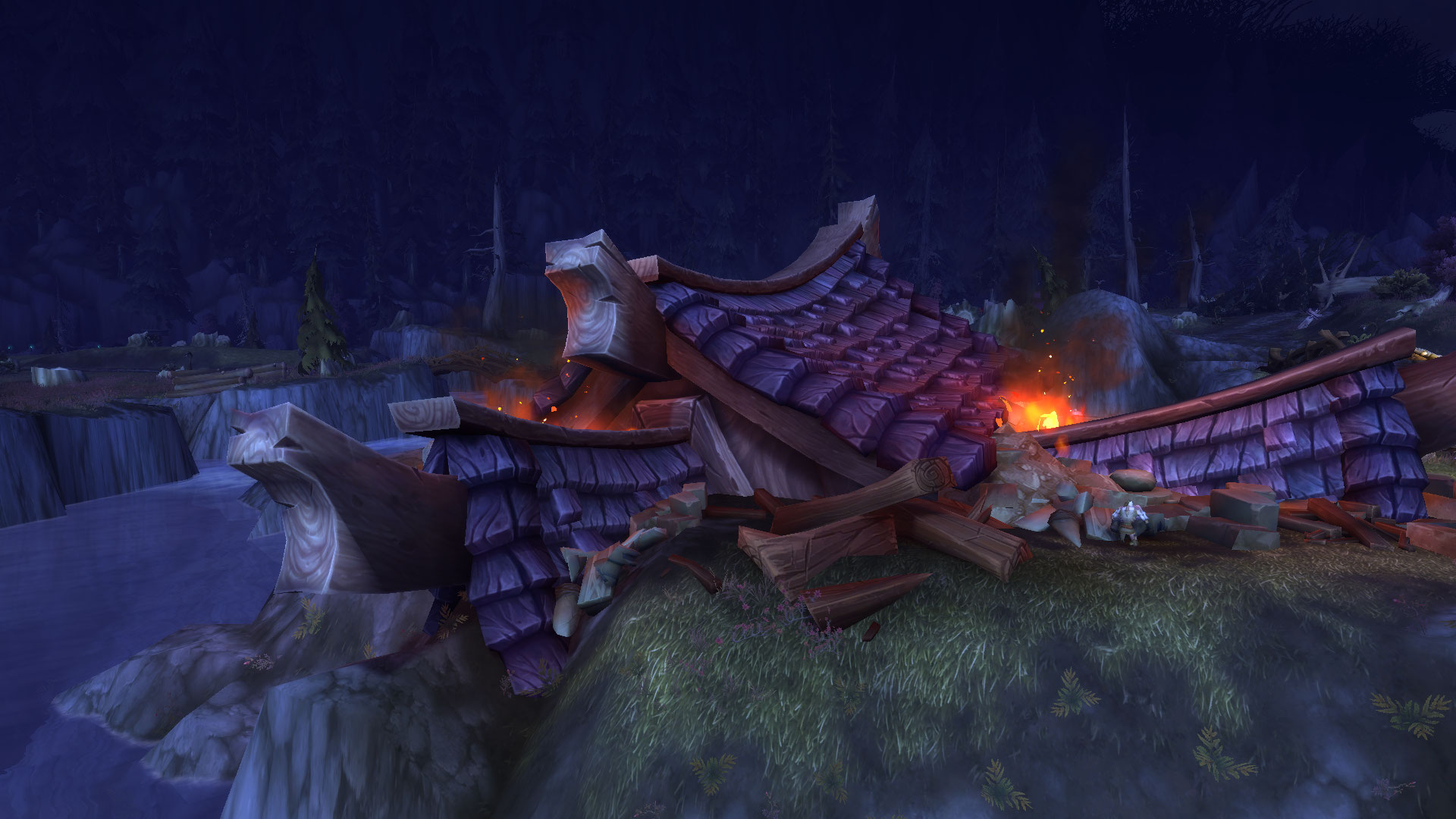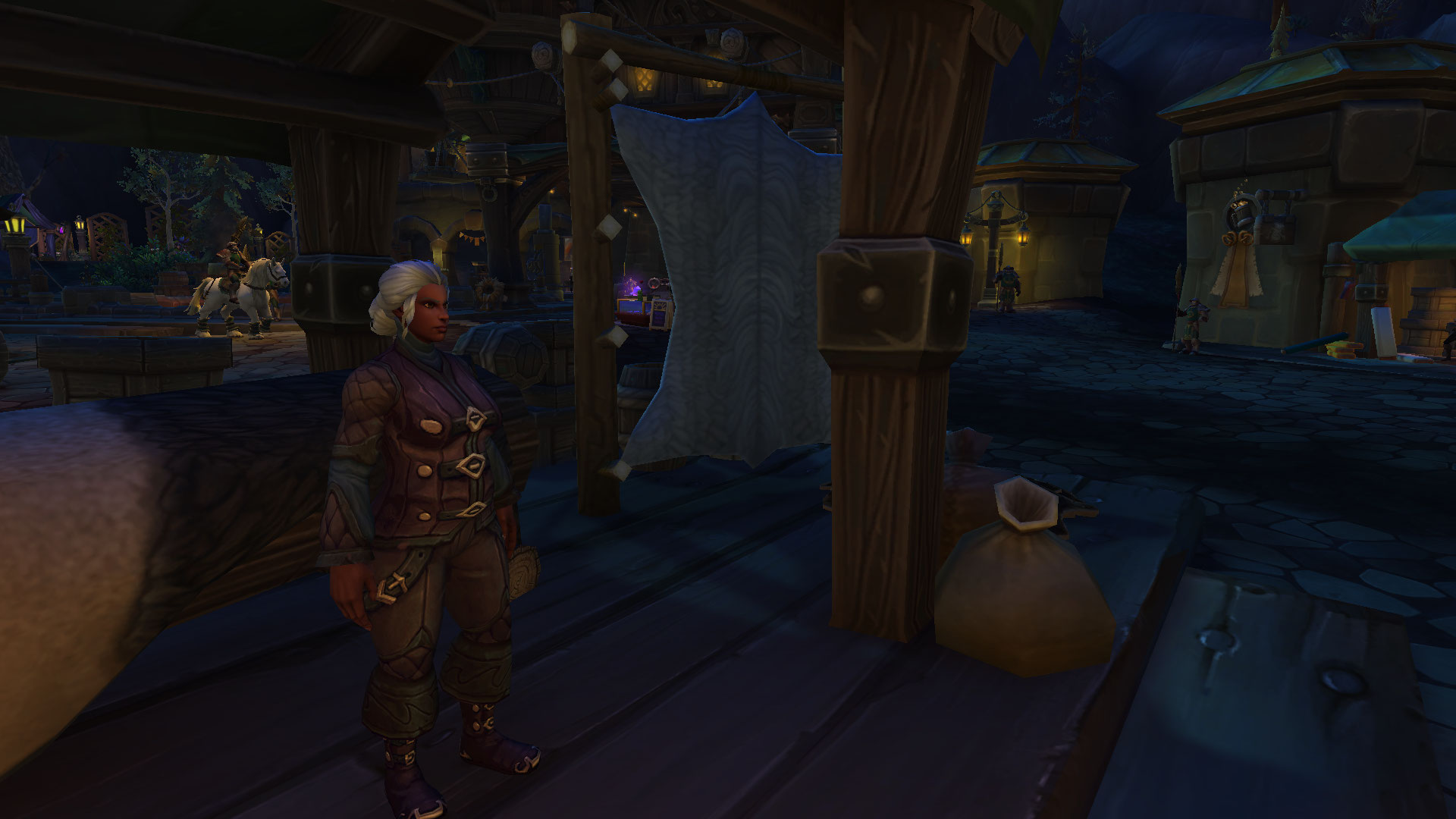
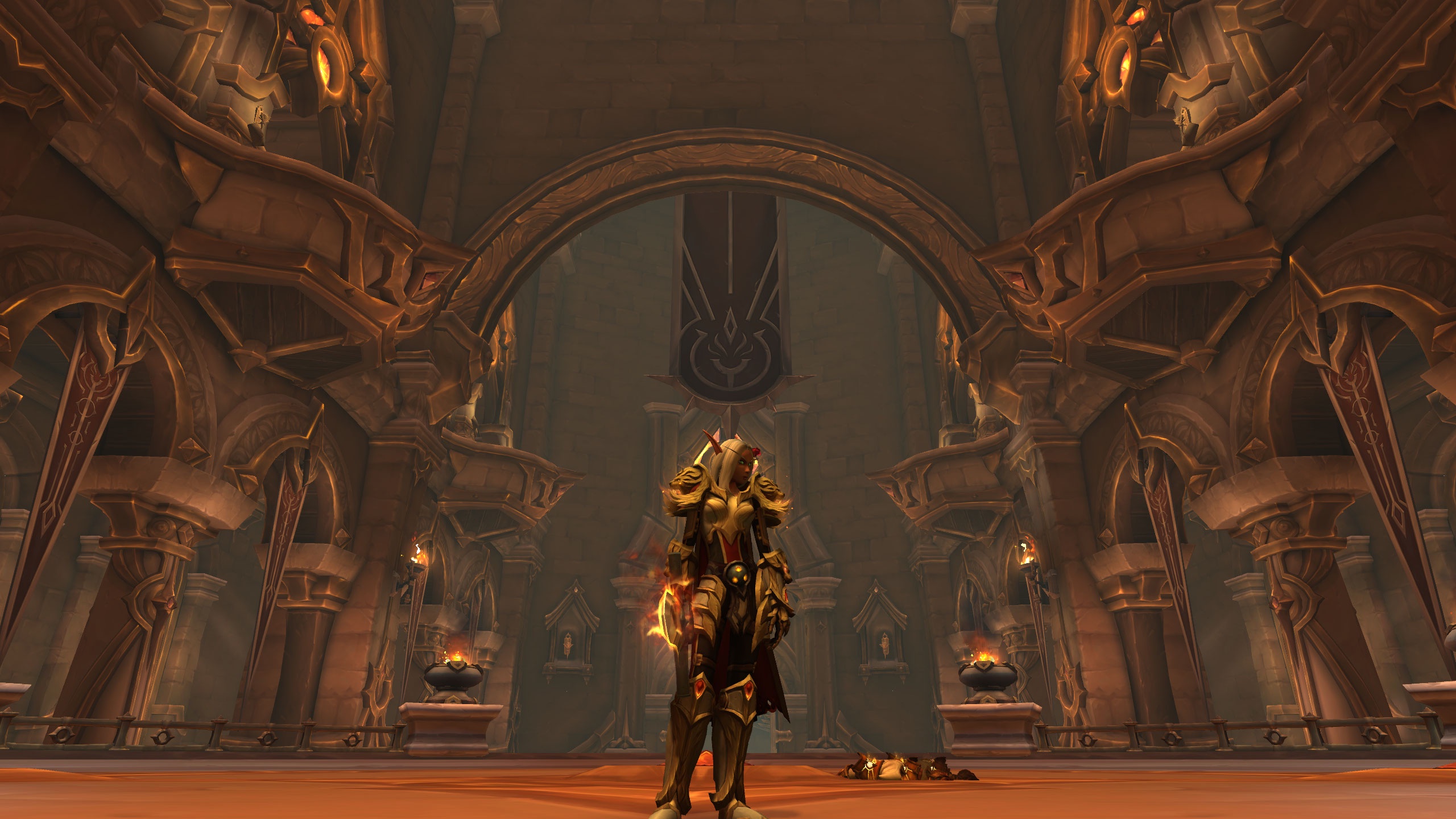
The War Within (TWW) expansion marks a significant leap forward in graphical fidelity for Azeroth. Blizzard’s development team has overhauled shaders, lighting systems, and texture pipelines to bring deeper immersion to both surface and subterranean environments. From the glowing arcane runes etched into ancient Titan constructs to the intricate reflections on damp cavern walls, every visual facet has been refined to create a cohesive, realistic world. Long-time players will notice improvements in character models—armor plates now exhibit subtle wear patterns; fabric textures react naturally to movement, and environmental particles like drifting embers and floating motes of dust respond realistically to wind currents. Underneath the surface, dynamic lighting illuminates cavern paths—torches cast light that flickers against rugged rock faces, and bioluminescent fungi emit a soft glow, altering color palettes as players move through geyser-filled chambers. Water simulation has also been enhanced: puddles form on uneven surfaces, ripples respond to footsteps, and reflections accurately mirror the world above. All of these upgrades combine to produce a visual experience that not only looks breathtaking but also enhances gameplay by improving spatial awareness and atmospheric immersion.
Enhanced Lighting and Shadow Systems
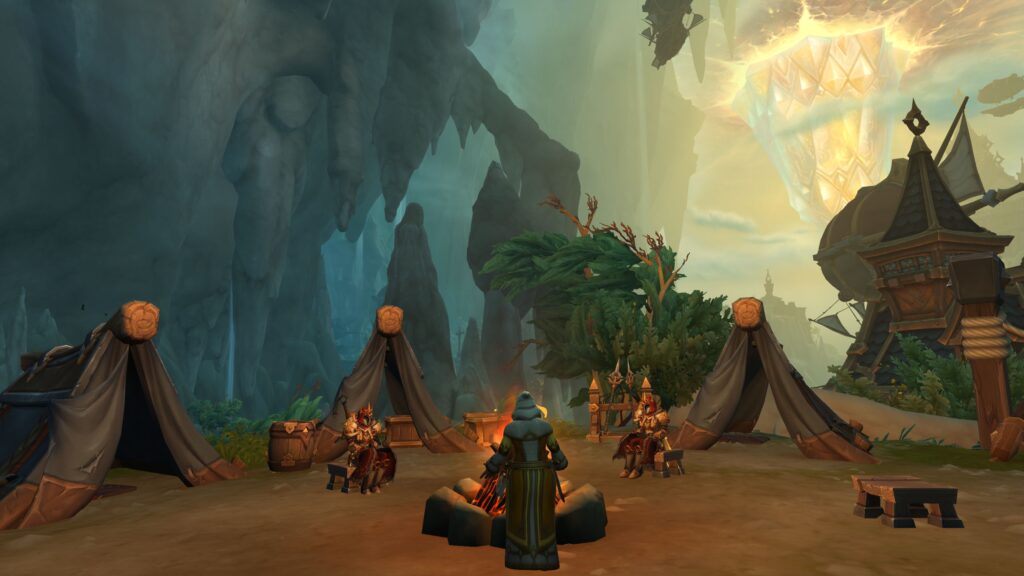
One of the most notable upgrades in TWW is the revamped lighting and shadow engine. Blizzard has adopted a hybrid approach—combining precomputed global illumination with real-time dynamic lighting—to achieve realistic illumination without sacrificing performance. In cavernous areas like Spacefall Chasm and Ember Hall, light sources such as glowing crystals and molten vents now cast volumetric light beams that interact with dust particles and mist. Shadows are no longer flat silhouettes; they possess depth and softness, adjusting dynamically as light sources move or environmental elements shift. For example, traversing a bridge above a lava pit causes the ambient glow to flicker across character models, highlighting the texture details of armor and skin. Conversely, in areas where void corruption seeps through cracks, the lighting adopts a cooler, eerie tint—blue-green void particles float in the air, dimming ambient light and creating a sense of unease. This duality of warm and cold lighting helps guide player emotions—warm light indicates safety and familiarity, while void-infused lighting signals danger and instability. Overall, the enhanced system creates more realistic scenes and supports gameplay by subtly signaling environmental cues through lighting variations.
Texture and Material Overhaul
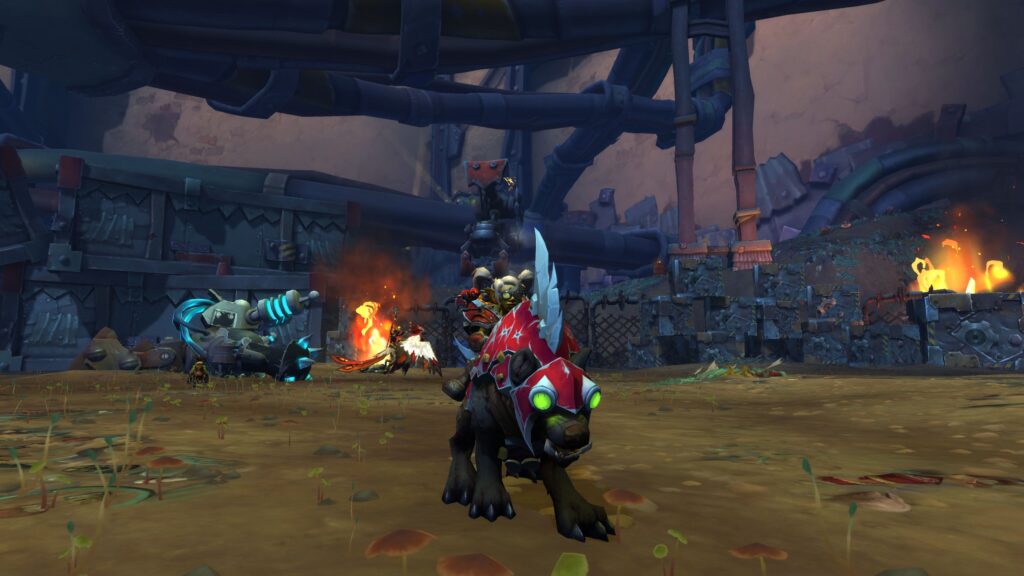
Textures in TWW have undergone a complete overhaul, utilizing higher-resolution assets and advanced material properties to improve detail at both close and distant views. Rock formations now feature multi-layered diffuse and normal maps that highlight cracks, moss growth, and mineral deposits. Armor and weaponry display micro-surface variations—scratches, dents, and grime—that react to light sources in real time. Cloth materials such as capes and tabards use anisotropic shading techniques to simulate realistic fabric movement and sheen under shifting illumination. Furthermore, Blizzard introduced PBR (Physically Based Rendering) across all textures, ensuring materials like metal, leather, and stone behave consistently under various lighting conditions. In water regions, the inclusion of screen-space reflections and refraction effects allows players to see accurate three-dimensional offsets, such as ripples distorting reflected torchlight or cavern ceilings appearing beneath shallow pools. This attention to detail extends to small environmental objects: broken Titan constructs exhibit weathered metal surfaces, carved glyphs glow with embedded magical essence, and fungal growths display translucency, allowing light to pass through each frond. Together, these texture improvements deepen immersion by making every surface feel tangible and grounded in a living world.
| Asset Type | Upgrade | Benefit |
|---|---|---|
| Rock Formations | High-res diffuse & normal maps | Visible cracks, moss, and mineral detail at close range |
| Armor/Weapons | Micro-surface variations & PBR | Realistic wear patterns, accurate metal reflections |
| Cloth Materials | Anisotropic shading | Natural fabric sheen and movement under dynamic light |
| Water Surfaces | Screen-space reflections & refraction | Accurate reflections of environment and ripples |
Environmental and Particle Effects
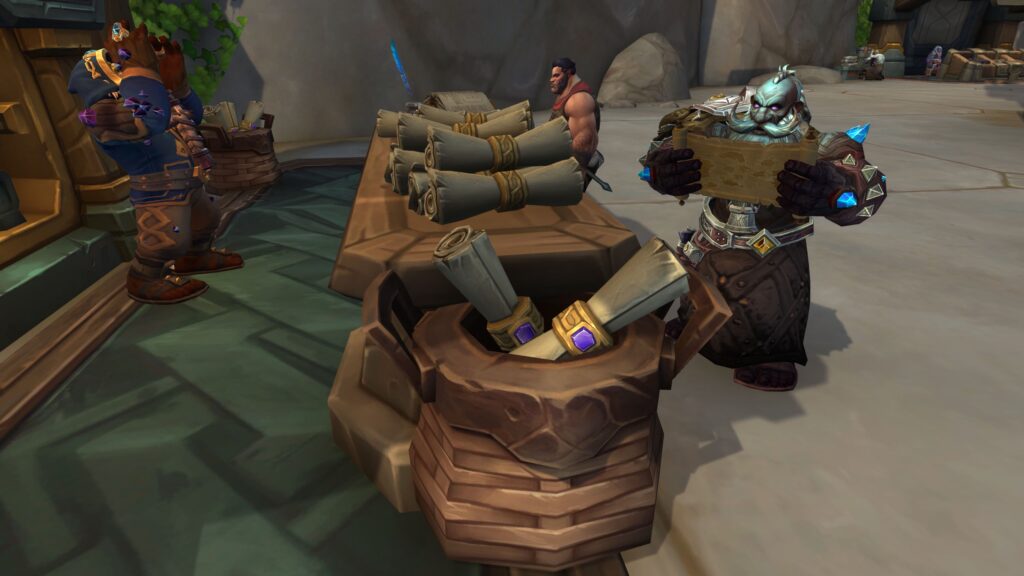
The War Within’s environments feel more alive thanks to upgraded particle and environmental effects. Blades of drifting dust move with subtle currents, lava droplets splash realistically as they fall from stalactites, and bioluminescent spores drift lazily through the air in fungus-covered caverns. Fire effects have been refined to include volumetric smoke and embers that respond to air currents—a campfire’s glow now pulsates as wind gusts blow through underground tunnels. Ice formations in frosty corridors develop subtle frost bloom over time, and dripping icicles produce faint refraction on nearby surfaces. Environmental hazards also benefit from improved particles: acid pools bubble and dissolve nearby rock surfaces with corrosive haze, and void-infused rifts emit swirling shadow motes that briefly obscure the terrain behind them. These effects not only add visual flair but also serve gameplay functions—players can identify danger zones by spotting telltale shimmering air near magma vents or swirling void motes around corrupted nodes. The integration of these enhanced effects bridges the gap between aesthetics and functionality, ensuring players remain engaged both visually and tactically.
- Drifting Dust: Subtle air currents animate floating particles.
- Volumetric Smoke: Realistic campfires and lava plumes.
- Bioluminescent Spores: Soft glow in fungus-filled caverns.
- Acid Pools: Corrosive haze dissolves nearby surfaces.
- Void Rifts: Swirling shadow motes signal corruption zones.
Performance Optimizations and Scalability
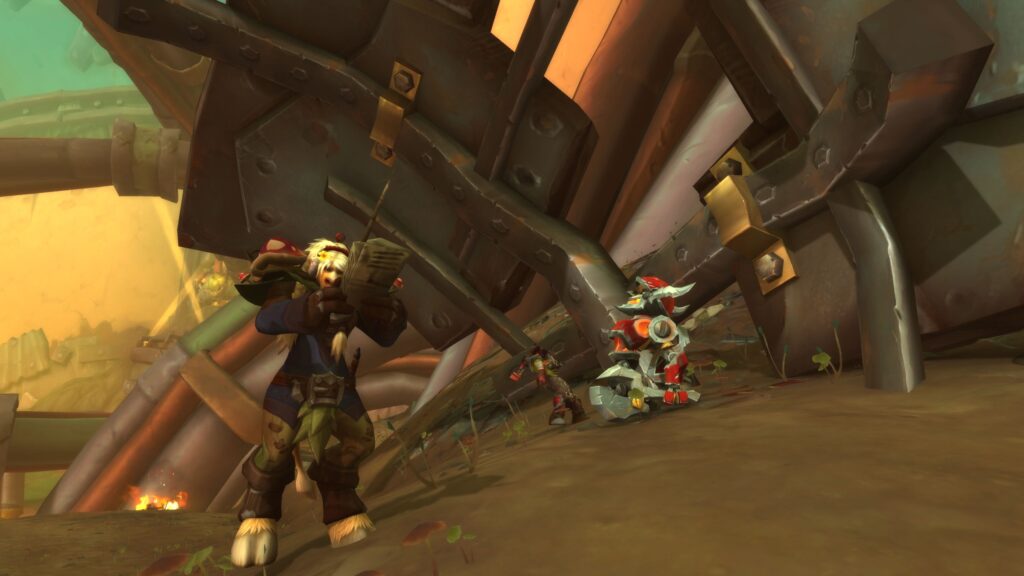
While the graphical enhancements in TWW are impressive, Blizzard ensured these upgrades do not compromise performance on a wide range of hardware. A new level-of-detail (LOD) system dynamically adjusts texture resolution and model complexity based on distance and screen size. Distant objects use simplified meshes and compressed textures, while closer assets load full-resolution variants. This approach maintains high frame rates even in densely populated scenes—such as large raid encounters in cavernous halls. Additionally, the lighting engine employs tiled deferred shading to reduce draw calls and manage multiple light sources efficiently. For players with lower-end hardware, adjustable settings allow toggling features like volumetric fog, screen-space reflections, and particle density. On high-end systems, dynamic resolution scaling adapts render resolution in real time to maintain stable framerates during graphically intensive moments. Furthermore, Blizzard introduced asynchronous shader compilation, ensuring that texture and shader loading occur in the background—reducing stutter when entering new areas. These optimizations make TWW’s visual upgrades accessible to both high-end rigs and more modest setups, ensuring that all players can appreciate the graphical improvements without sacrificing smooth gameplay.