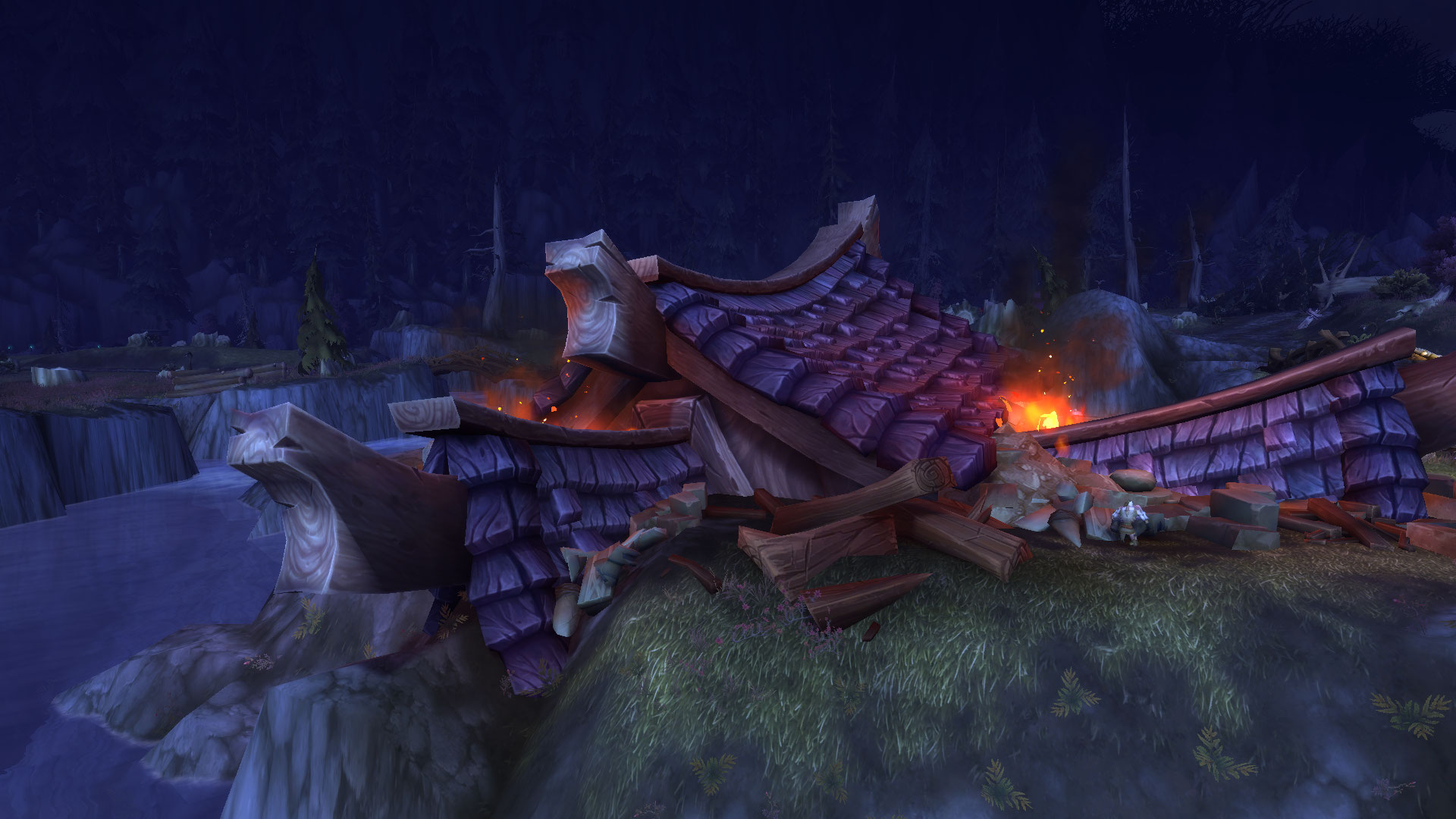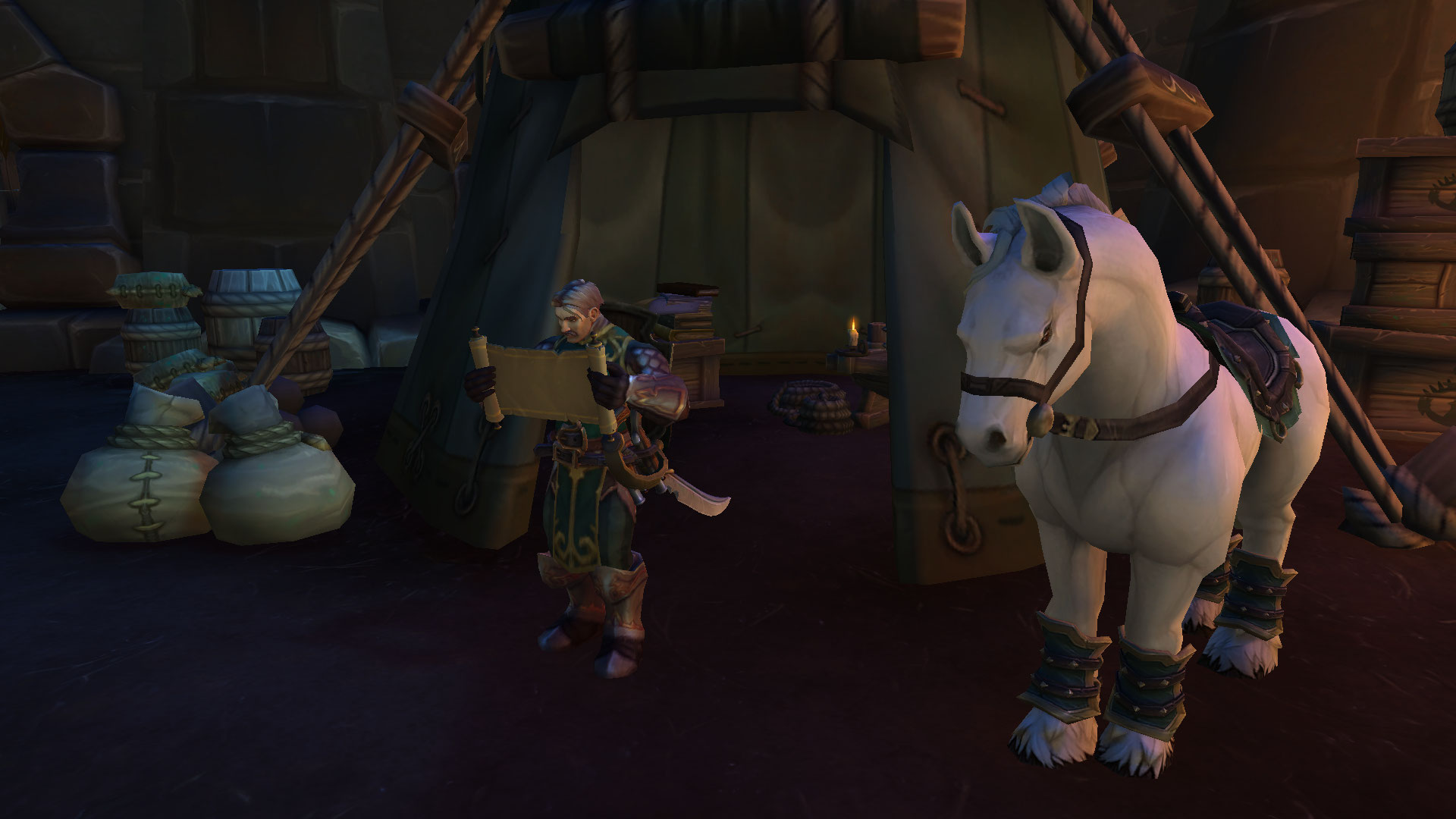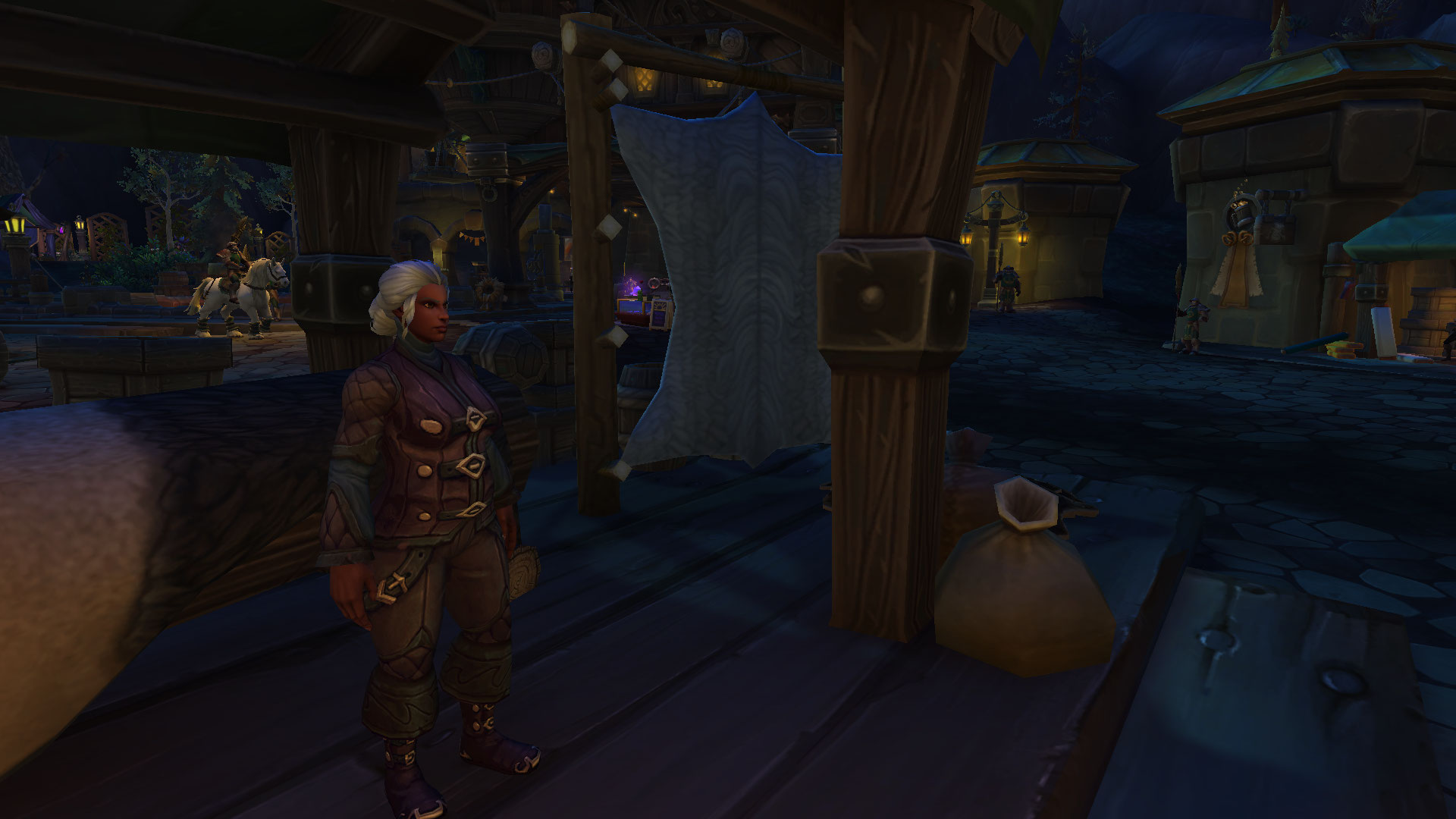
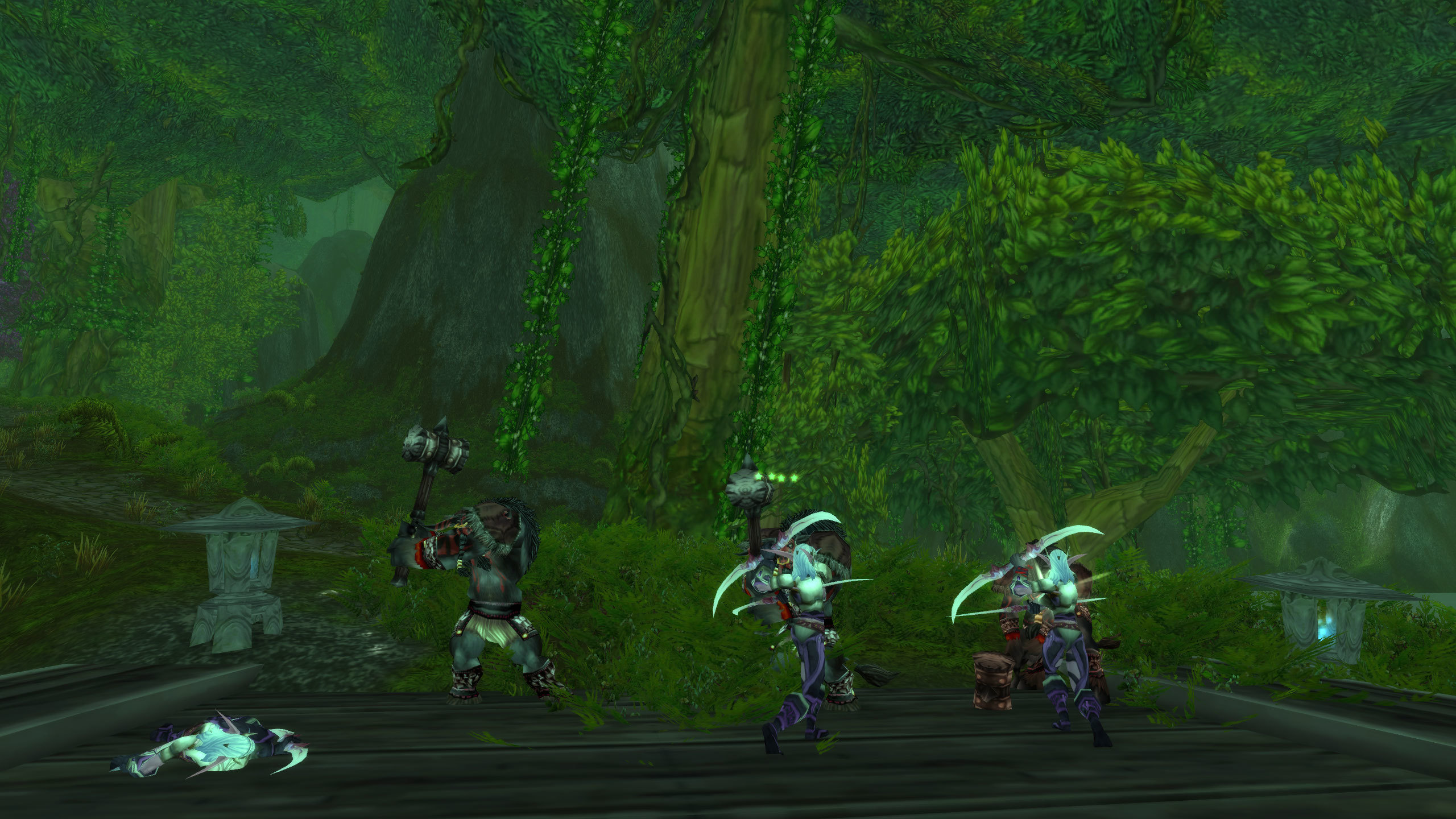
PvP battlegrounds have been a cornerstone of World of Warcraft since its earliest days. From the iconic Warsong Gulch to modern brawls with unique twists, battlegrounds have shaped the competitive and casual PvP experience for millions of players. Over two decades, the design of these battlegrounds has evolved, reflecting changes in player expectations, balance, and Blizzard’s approach to gameplay.
This evolution is not just about maps and mechanics—it is also about community culture. Battlegrounds have been gathering points for rivalry, teamwork, and memorable stories. By looking at their history, we can see how PvP has grown from straightforward flag captures to diverse experiences that cater to different playstyles and skill levels.
The Origins: Classic Battlegrounds
When battlegrounds were first introduced, they provided structured PvP for players who wanted more than random world skirmishes. Warsong Gulch, Alterac Valley, and Arathi Basin quickly became iconic. Each offered unique objectives—flag capture, large-scale warfare, and resource control—that appealed to different types of players. These battlegrounds laid the foundation for all PvP that followed.
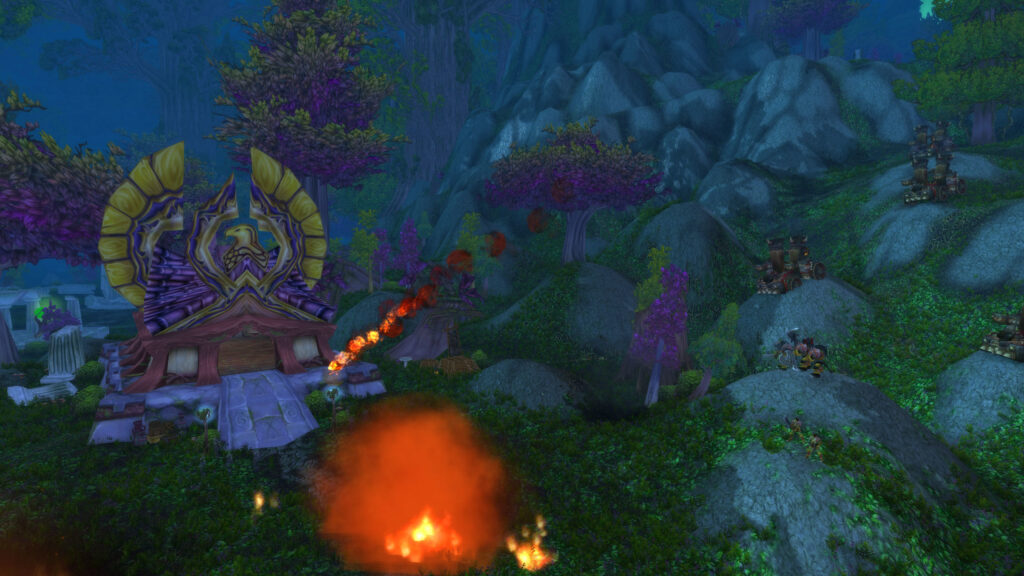
Despite their simplicity, Classic battlegrounds created unforgettable rivalries. Warsong Gulch flag runs, Alterac Valley’s multi-hour battles, and Arathi Basin’s nail-biting finishes gave players stories they still recount today. These battlegrounds were less about balance and more about the spirit of competition, setting the tone for WoW’s PvP future.
The Burning Crusade and Wrath of the Lich King
As WoW expanded, so did its PvP battlegrounds. The Burning Crusade added Eye of the Storm, combining elements of resource control with flag capture. Wrath of the Lich King followed with Strand of the Ancients, introducing siege mechanics that allowed players to pilot vehicles and destroy defenses. These innovations pushed battleground design beyond the basics, testing creativity and strategy.
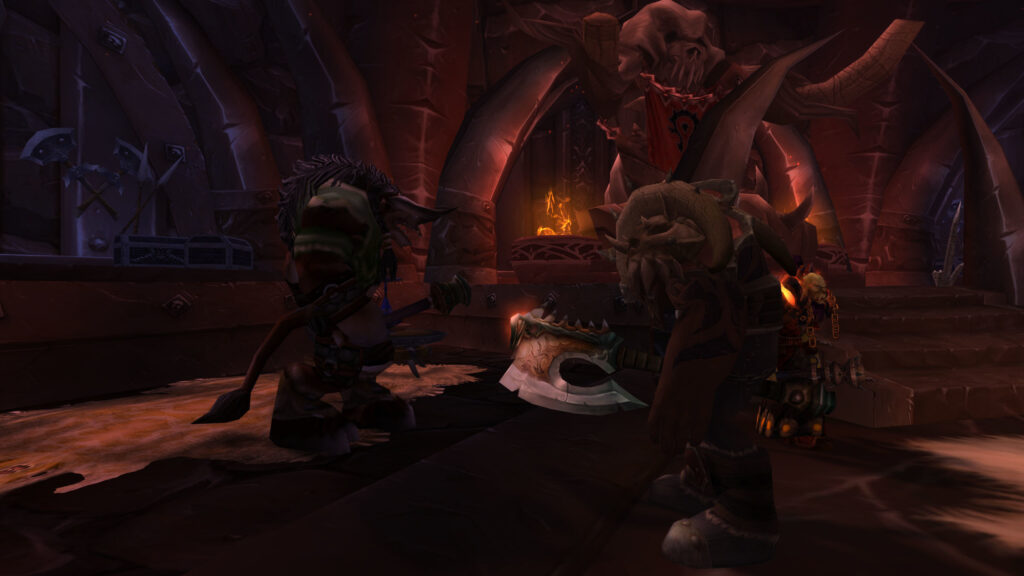
These expansions also saw the rise of organized PvP, with arenas taking center stage. While battlegrounds remained popular, the competitive scene shifted focus. Still, battlegrounds continued to serve as accessible PvP content, offering a mix of casual fun and structured competition that appealed to broad audiences.
Cataclysm to Mists of Pandaria
During this era, Blizzard experimented with more varied battleground objectives. Cataclysm introduced Twin Peaks and Battle for Gilneas, while Mists of Pandaria added Silvershard Mines and Temple of Kotmogu. These battlegrounds emphasized mobility, coordination, and fast-paced skirmishes, catering to evolving player preferences for quicker matches.

This period also marked a shift toward accessibility. Queue systems improved, matchmaking became more refined, and Blizzard encouraged more casual players to participate. These changes broadened the appeal of battlegrounds, keeping them relevant even as raiding and PvE content dominated expansion headlines.
Warlords of Draenor and Legion
With Warlords of Draenor and Legion, battlegrounds received updates to balance and pacing. Blizzard focused on making matches more consistent and rewarding, while Legion introduced new templates that equalized gear differences to some extent. This helped lower the barrier to entry, making battlegrounds more approachable for players without high-end PvP gear.
Brawls were also introduced, offering rotating modes that added variety. These brawls ranged from chaotic versions of existing battlegrounds to entirely new rule sets, injecting freshness into the PvP system. They quickly became fan favorites, breaking the monotony of standard battlegrounds and encouraging players to return week after week.
Modern Battlegrounds and Brawls
Today, battlegrounds are more diverse than ever. Classic maps remain in rotation, but modern brawls introduce unpredictable twists that challenge even veteran players. Whether it’s gravity-defying Warsong Gulch or fast-paced Arathi Basin variants, these brawls provide constant novelty. They demonstrate Blizzard’s commitment to keeping PvP exciting without needing to constantly create new maps.
For many players, battlegrounds are a perfect balance between casual fun and competitive depth. They require coordination, but not the strict discipline of arenas or rated PvP. This accessibility keeps them popular, ensuring that PvP remains an integral part of WoW’s identity even in 2025.
- Warsong Gulch – Capture the flag classic.
- Alterac Valley – Large-scale battlefield.
- Eye of the Storm – Flag and node control hybrid.
- Temple of Kotmogu – Orb control skirmishes.
- Brawls – Rotating fun-focused PvP twists.
The Cultural Impact of Battlegrounds
Battlegrounds are more than just gameplay—they are part of WoW’s culture. They bring together players from different servers, forge rivalries, and create iconic moments that resonate for years. Many players remember their first flag capture or their longest Alterac Valley match as fondly as they remember downing a raid boss. These shared experiences bind the community together.
As PvP continues to evolve, battlegrounds remain a constant reminder of WoW’s roots. They serve as both competitive arenas and social spaces, proving that the heart of PvP lies not just in winning but in the stories created along the way.
Conclusion
The journey of WoW’s battlegrounds reflects the evolution of the game itself. From the straightforward objectives of Classic to the dynamic twists of modern brawls, battlegrounds have adapted to meet the needs of players across generations. They embody both competition and camaraderie, offering experiences that remain fresh even after decades.
As WoW continues into the future, battlegrounds will no doubt keep evolving, but their spirit will remain the same. They are proof that PvP is not just about combat—it’s about community, strategy, and the thrill of facing real opponents in a living, breathing world.