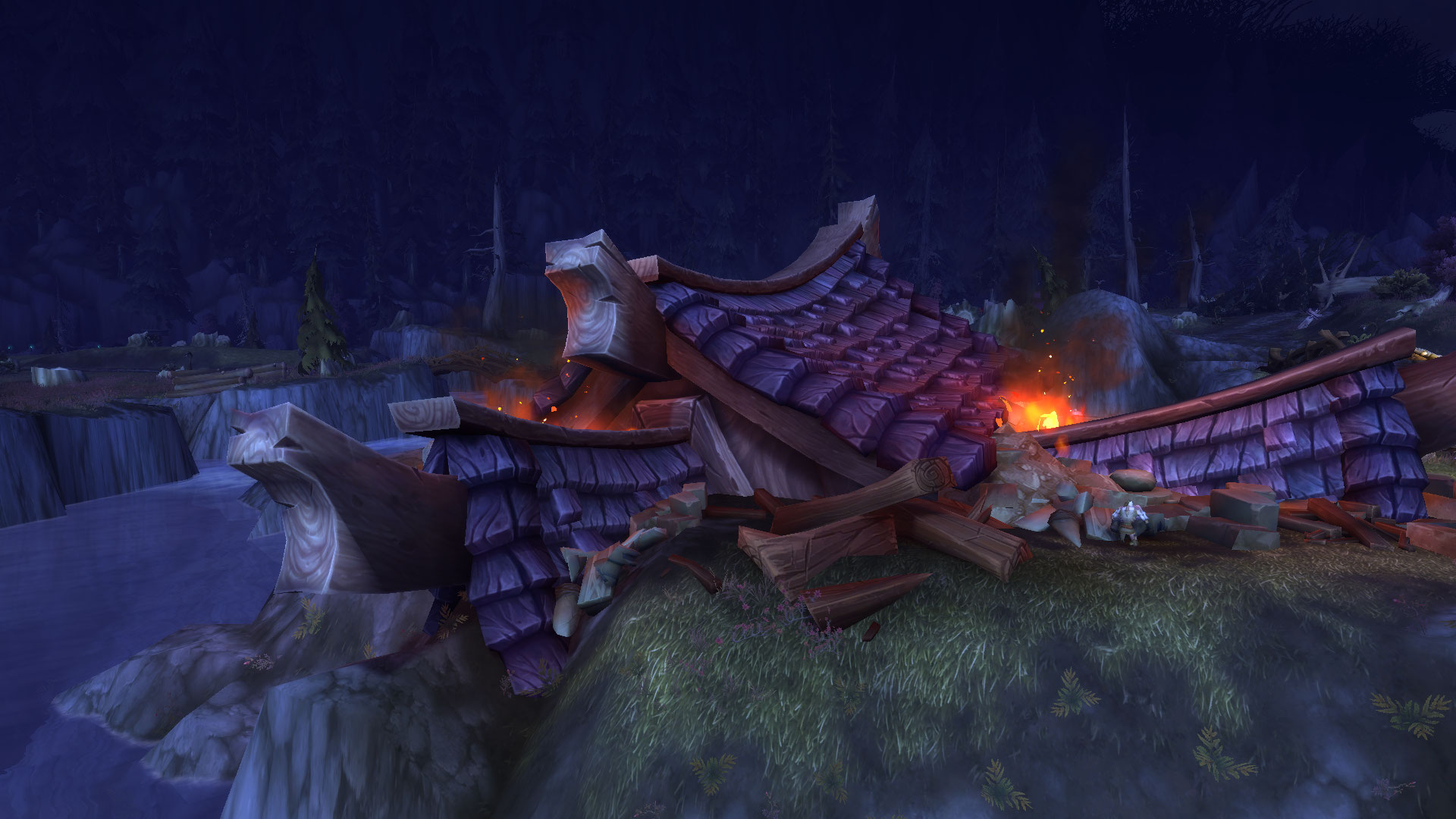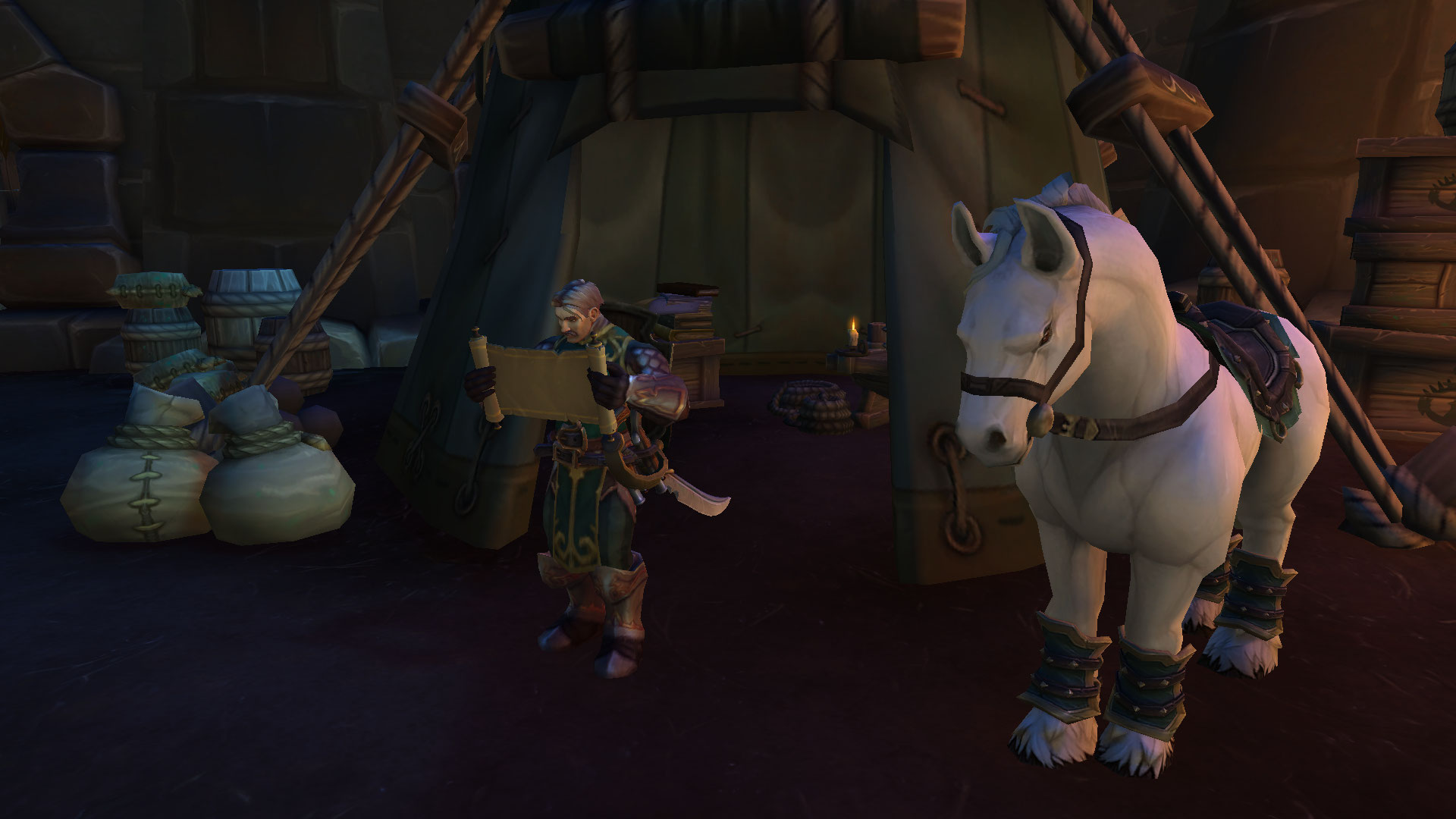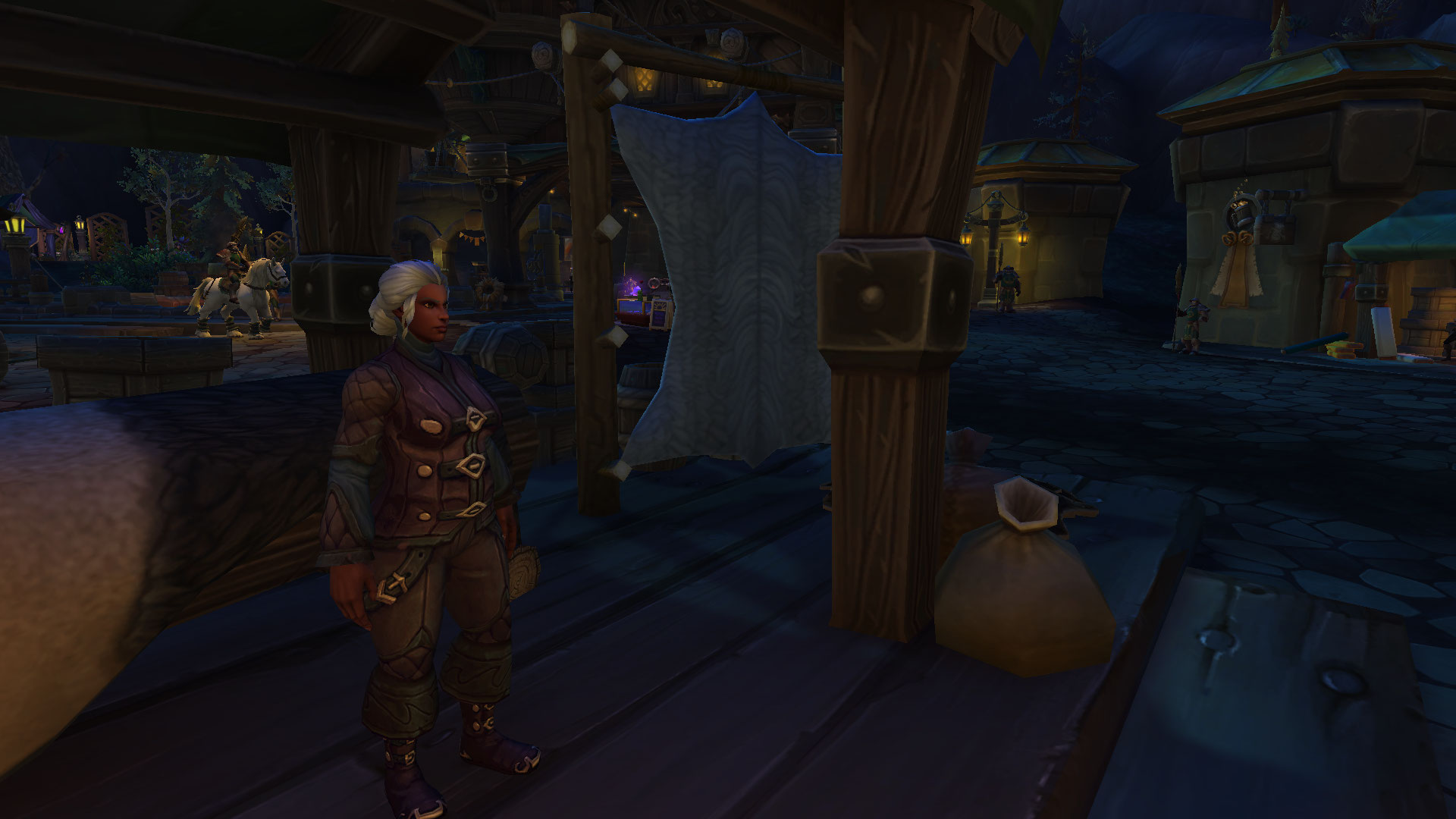
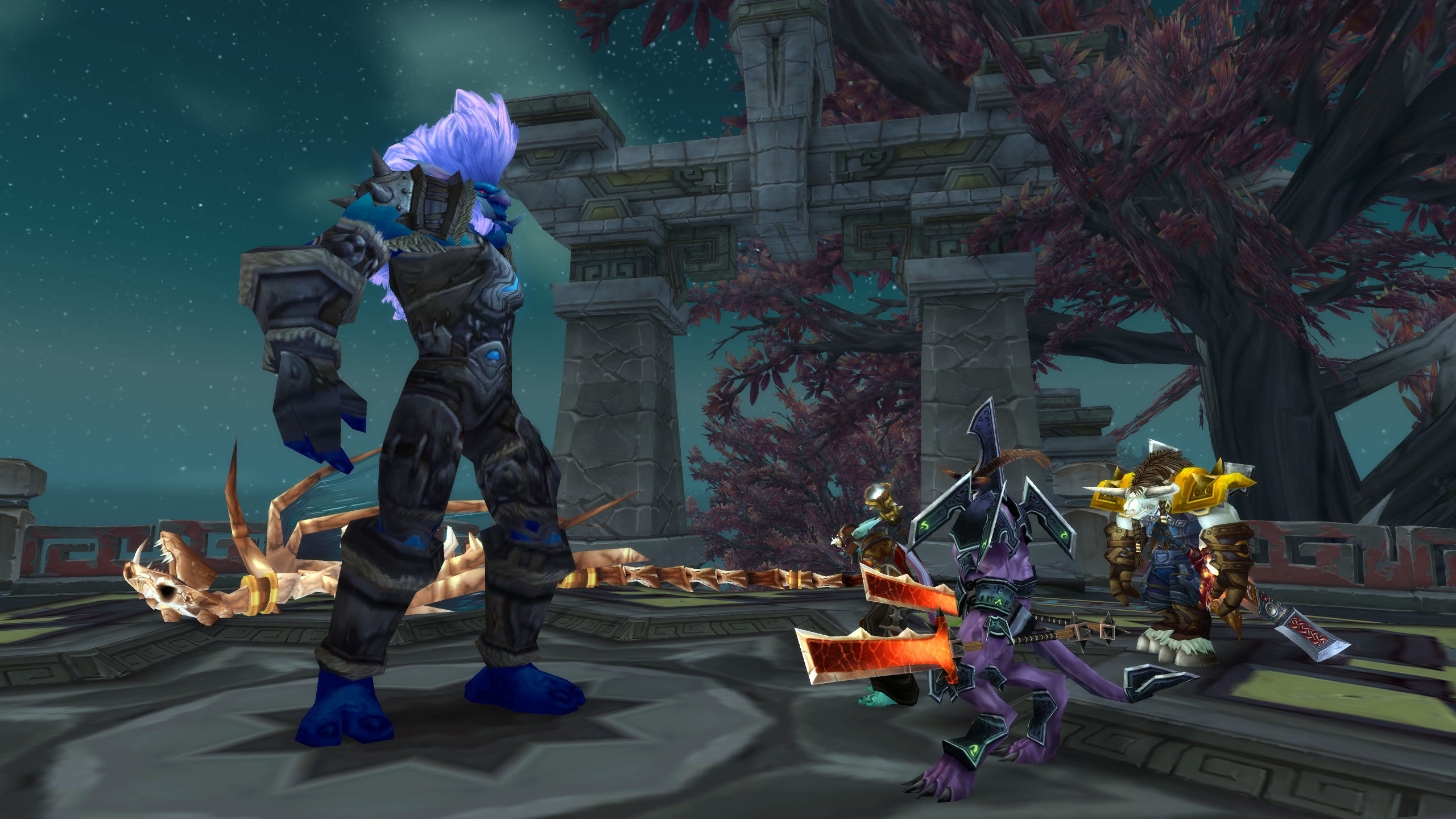
Reputation systems have been a defining part of World of Warcraft since launch, serving as gateways to rewards, lore, and progression. While some players view reputation grinding as tedious, it remains a cornerstone of expansions because of the unique benefits it provides. Whether unlocking powerful gear, exclusive mounts, or key storylines, reputation grinds ensure players stay engaged with the world around them.
In 2025, reputation grinding continues to be a vital mechanic. Its importance lies not only in rewards but in how it ties players to factions, zones, and the overarching narrative of each expansion.
Unlocking Gear and Recipes
One of the primary reasons players grind reputation is access to gear and profession recipes. Factions often offer pieces that fill critical gearing gaps or recipes that allow crafters to stay competitive. For professions, reputation remains one of the most direct ways to unlock endgame crafting options.
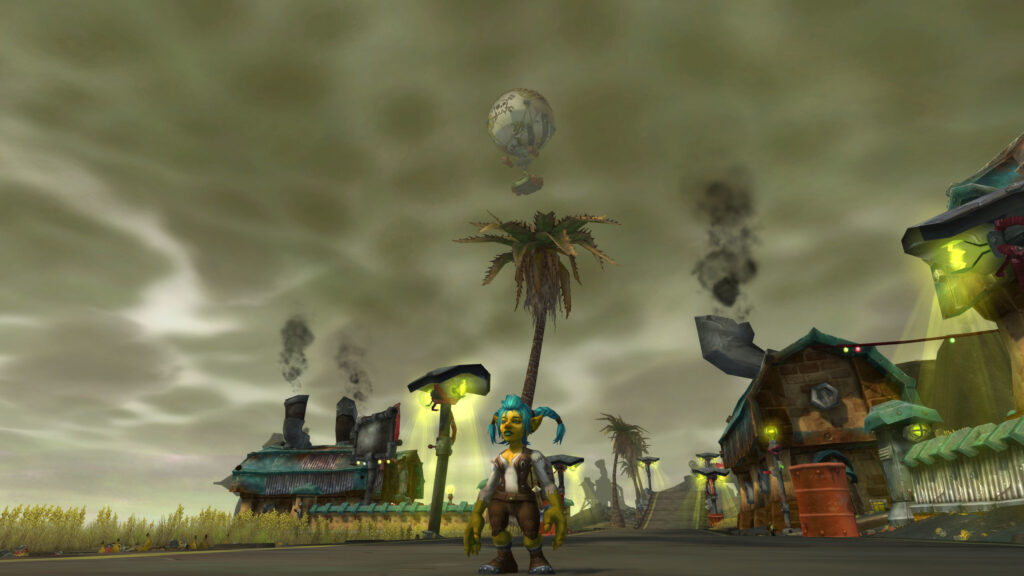
This creates a natural incentive for both raiders and casual players to engage with reputation systems, ensuring that grinding serves practical purposes beyond cosmetics.
Mounts, Pets, and Cosmetics
Reputation vendors are treasure troves for collectors. Exclusive mounts, battle pets, and unique transmog sets make reputation grinds appealing for completionists. Many of these items become long-term goals that give expansions extended value even after their main content cycle ends.
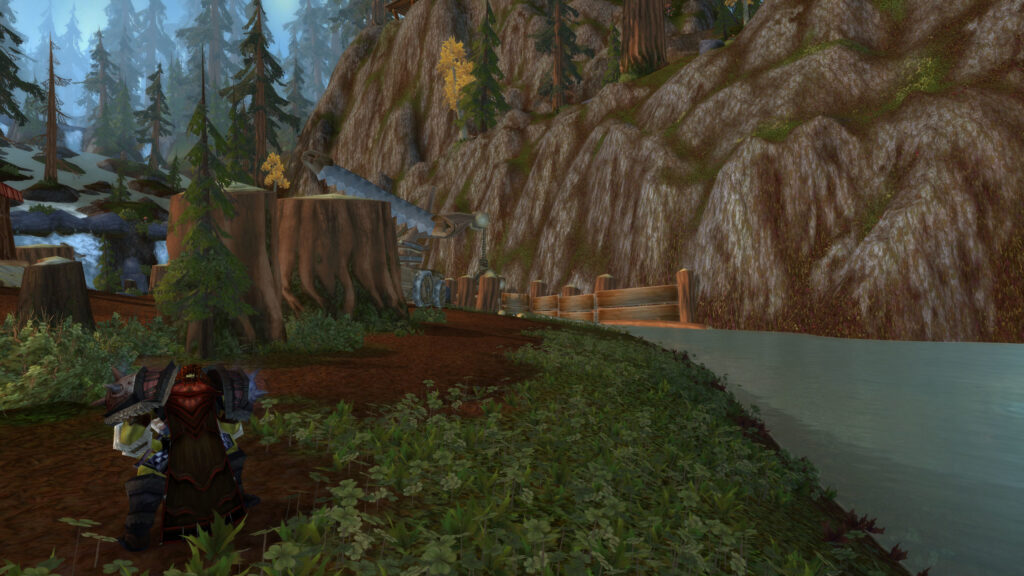
Collectors often focus on reputation as part of their broader endgame, turning repetitive dailies and world quests into rewarding pursuits of rare appearances and companions.
Story and Immersion
Reputation grinding is deeply tied to expansion narratives. As players earn reputation with factions, they unlock new questlines, dialogues, and insights into the world. This storytelling approach gives weight to the grind, making it feel like a journey rather than just a checklist.
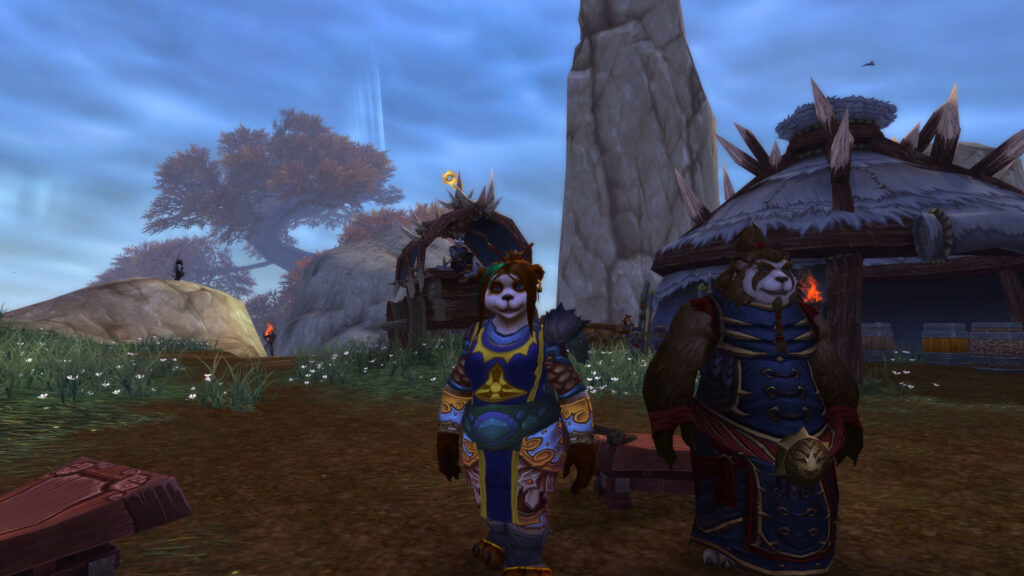
Factions like the Shado-Pan in Pandaria or the Court of Night in Shadowlands showcase how reputation enhances immersion. By tying story progression to reputation, Blizzard ensures players connect with the expansion’s lore.
Reputation and Account-Wide Systems
Recent expansions introduced account-wide reputation systems, making grinding less punishing for alt players. In 2025, Warbands in The War Within extend this system, ensuring progress across characters counts toward the same reputations. This innovation makes grinding more accessible while still rewarding effort.
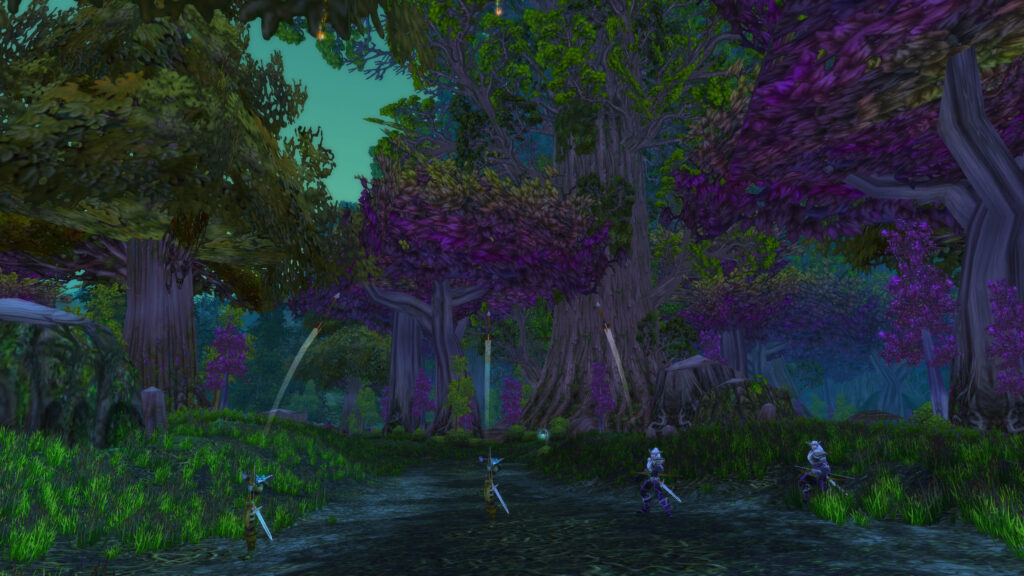
These changes highlight Blizzard’s recognition of reputation’s importance while reducing its frustrations, keeping the system relevant for modern players.
Social and Economic Impact
Reputation grinds often foster community interaction. Grouping for daily quests, farming rares, or sharing tips on efficient routes strengthens server communities. Additionally, many reputation-locked recipes and items fuel the in-game economy, giving crafters and traders incentives to participate.
This social and economic dimension ensures reputation grinding is more than a personal pursuit—it’s a shared experience that impacts the broader game world.
- Gear and recipes provide progression.
- Mounts and pets reward collectors.
- Story content deepens immersion.
- Account-wide systems improve accessibility.
- Economic impact strengthens communities.
Conclusion
Reputation grinding remains a vital part of WoW expansions because it ties rewards, story, and community together. While sometimes repetitive, it offers progression, immersion, and collectibles that enhance the game’s long-term appeal. Modern systems like Warbands have improved accessibility, making grinding less punishing and more rewarding across accounts.
As WoW evolves, reputation systems will continue to shape how players engage with new expansions, ensuring that factions remain central to the game’s identity and progression.